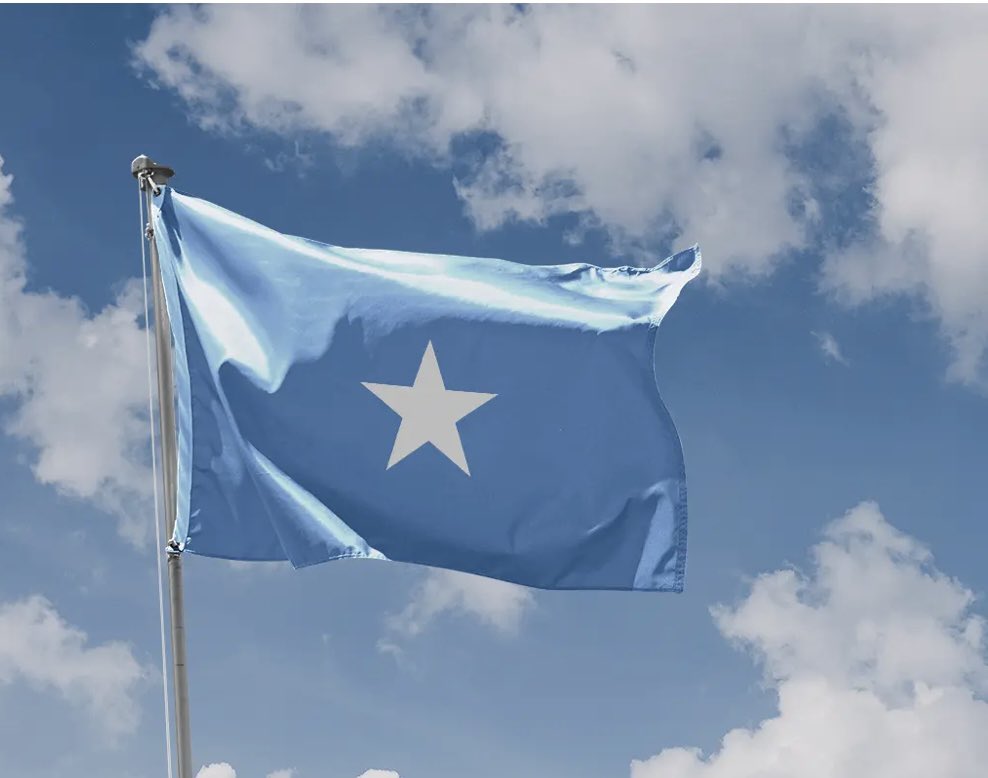
As of today, May 9, 2025, Somalia has reached the halfway point of the year, but the Federal Government continues to face major political challenges, particularly regarding the uncertainty surrounding the upcoming elections.
The growing political dispute has resulted in a lack of consensus on how the parliamentary and presidential elections should be conducted when the current term ends. Despite several rounds of talks in different forums, no concrete agreement has been reached between the federal government and some federal member states.
Public Concern Mounts
This political uncertainty doesn’t only affect political leaders. The Somali public is increasingly worried about the future of their country. Key questions many citizens are asking include:
• Will elections be held on time?
• Is the government planning to extend its term?
• Will political tensions lead to unrest?
These concerns are particularly widespread in major cities such as Mogadishu, Kismayo, Baidoa, and Garowe, where citizens are actively discussing the state of national politics.
International Partners Monitoring the Situation
The international community, a crucial partner in Somalia’s political and security affairs, is also concerned about the ongoing uncertainty. Countries and organizations with stakes in Somalia’s stability—such as the United States, the European Union, the African Union, and the United Nations—are closely watching the developments.
It is expected that these international actors will voice strong opinions at the upcoming meeting in Kampala, which was previously agreed upon as a platform to resolve key political differences, especially around the electoral process.
Kampala Summit Offers a Glimmer of Hope
The Kampala conference is viewed as a critical opportunity for renewed political reconciliation. High-level officials from the federal government, regional states, and international representatives are expected to attend. Key agenda items include:
• The electoral model to be used (indirect vs. direct voting)
• The length and leadership of the transitional period
• A political agreement to prevent further instability
Conclusion
Somalia is halfway through 2025 but remains in a fragile political state. Unresolved disputes, lack of political trust, and public anxiety continue to threaten the country’s democratic progress. Sustainable solutions can only be achieved through genuine consensus, ongoing dialogue, and putting the national interest above personal or party ambitions.
The upcoming Kampala summit may play a decisive role in determining the country’s future direction. Both the Somali people and international partners are hoping it can prevent another cycle of political crisis.
— By RNN Somali TV | Political Analysis Section
About The Author
