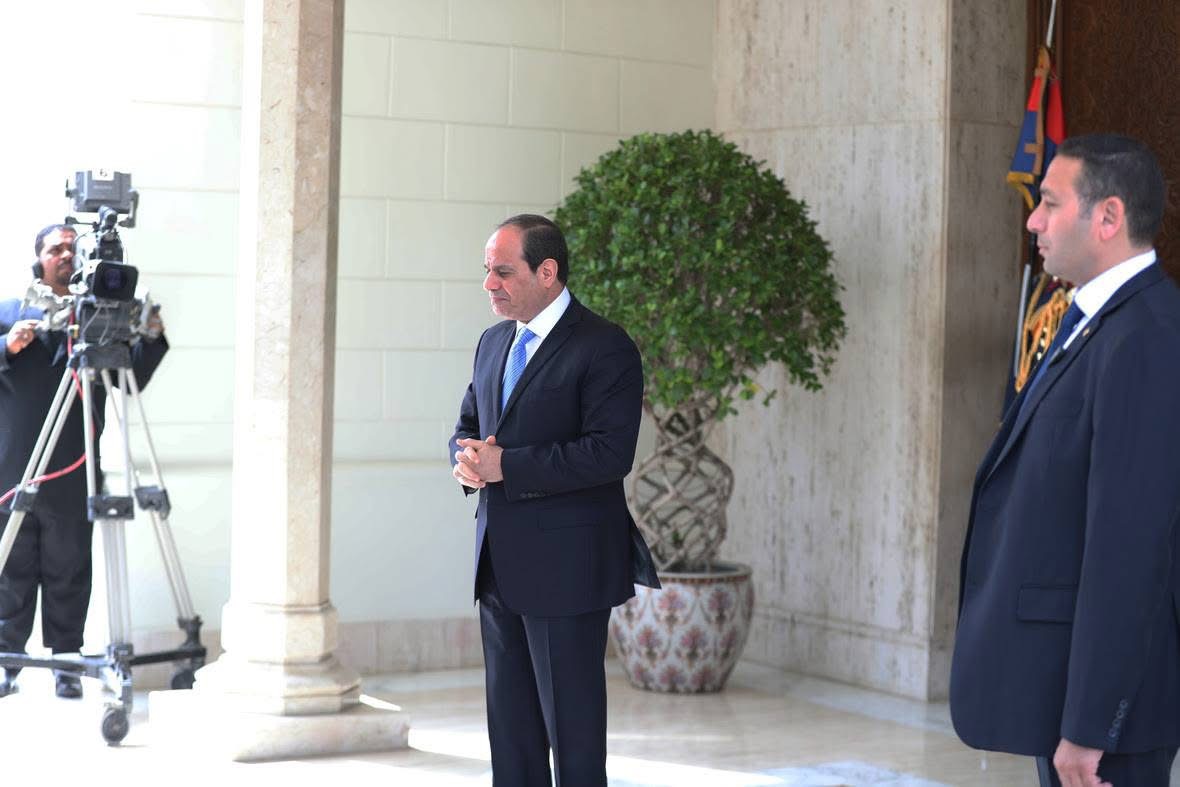
Port Said, Egypt – May 5, 2025
The Egyptian government has officially announced the signing of a long-term strategic agreement with Abu Dhabi Ports, a UAE-based company. The deal grants the Emirati firm a 50-year lease to develop and invest in 20 square kilometers (20KM²) of land located to the east of Port Said, on the Red Sea coast.
This area will be transformed into an industrial zone and maritime logistics hub, designed to serve international shipping vessels navigating through the vital Red Sea trade route. The agreement highlights the UAE’s growing ambition to expand its economic and logistical footprint across the region.
Link to Previous Horn of Africa Deals: The Somaliland-Ethiopia-UAE Triangle
This new deal closely mirrors a controversial agreement signed in 2024 between Somaliland President Muse Biixi and Ethiopian Prime Minister Abiy Ahmed, which also involved the UAE as a key stakeholder. That deal granted Ethiopia access to strategic territory along the Berbera coast, and was likewise backed by Emirati capital and logistics expertise.
Both agreements share striking similarities:
• Duration: 50 years
• Land area: 20 square kilometers
• Strategic value: Port access, trade, and Red Sea maritime influence
• UAE involvement: Abu Dhabi Ports is directly or indirectly involved in both projects
Regional Implications and Strategic Shifts
These agreements reflect a broader geopolitical and economic shift in the Horn of Africa and the Middle East. Countries like Egypt, Ethiopia, and the UAE are maneuvering to secure influence over critical trade corridors and maritime chokepoints—particularly in the Red Sea, which links Europe, Africa, and Asia.
While Egypt’s agreement appears to be legally binding within its sovereign territory, it reignites public and political concern over the broader ambitions of the UAE in Africa—especially when compared to the Somaliland deal, which sparked local and regional backlash due to questions around legitimacy and sovereignty.
Conclusion:
The Egypt-UAE Port Said deal represents another milestone in the UAE’s long-term strategy to dominate trade and logistics in the Red Sea region. While the Somaliland-Ethiopia deal triggered heated debates about sovereignty and foreign influence, Egypt’s move is likely to be seen as a more traditional, state-to-state economic partnership.
Nonetheless, both cases underscore a common trend: African ports and coastal zones are becoming the new battlegrounds for geopolitical influence and economic control. Such developments demand transparency, informed public dialogue, and regional cooperation to ensure national interests are safeguarded in the face of growing foreign investments.
About The Author
