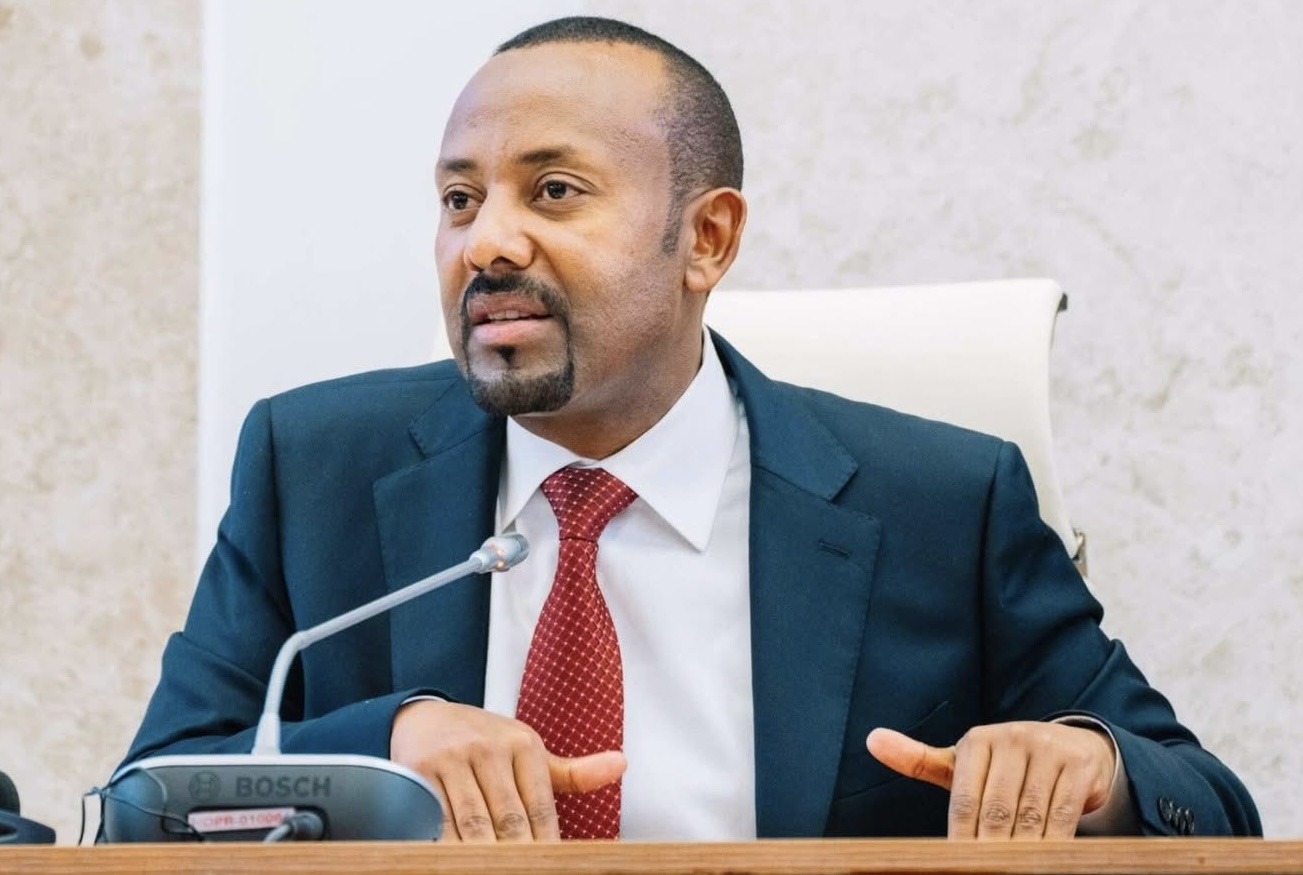
Addis Ababa, June 8, 2025 — Ethiopian Prime Minister Abiy Ahmed has expressed deep sorrow over his country’s lack of access to the sea, describing it as a longstanding obstacle to development and regional integration.
“It is with grief and heartbreak that I say Ethiopia has been without access to the sea for over 30 years,” said Abiy in a statement that underscored the strategic and economic importance of maritime access for Ethiopia’s future.
Ethiopia, the second most populous country in Africa, has been landlocked since the early 1990s following the independence of Eritrea and the subsequent loss of the Red Sea ports of Assab and Massawa. Since then, Ethiopia has relied almost entirely on Djibouti’s ports, which currently handle more than 90% of its import and export trade.
The Prime Minister emphasized the urgent need for Ethiopia to secure a permanent and sovereign access to a seaport—through peaceful diplomatic engagement and regional cooperation. He argued that access to the sea is not only an economic necessity but also a matter of national security and regional stability.
His remarks come amid ongoing diplomatic efforts by Ethiopia to engage neighboring countries—including Somalia, Djibouti, and Eritrea—on possible port access agreements and strategic partnerships. These efforts have sparked debate across the Horn of Africa regarding maritime rights, sovereignty, and the future of regional integration.
Abiy’s statement revives a sensitive geopolitical issue in the Horn of Africa, highlighting Ethiopia’s pressing need for a reliable maritime outlet and the broader implications such a pursuit could have for peace, cooperation, and competition among states in the region.
About The Author
