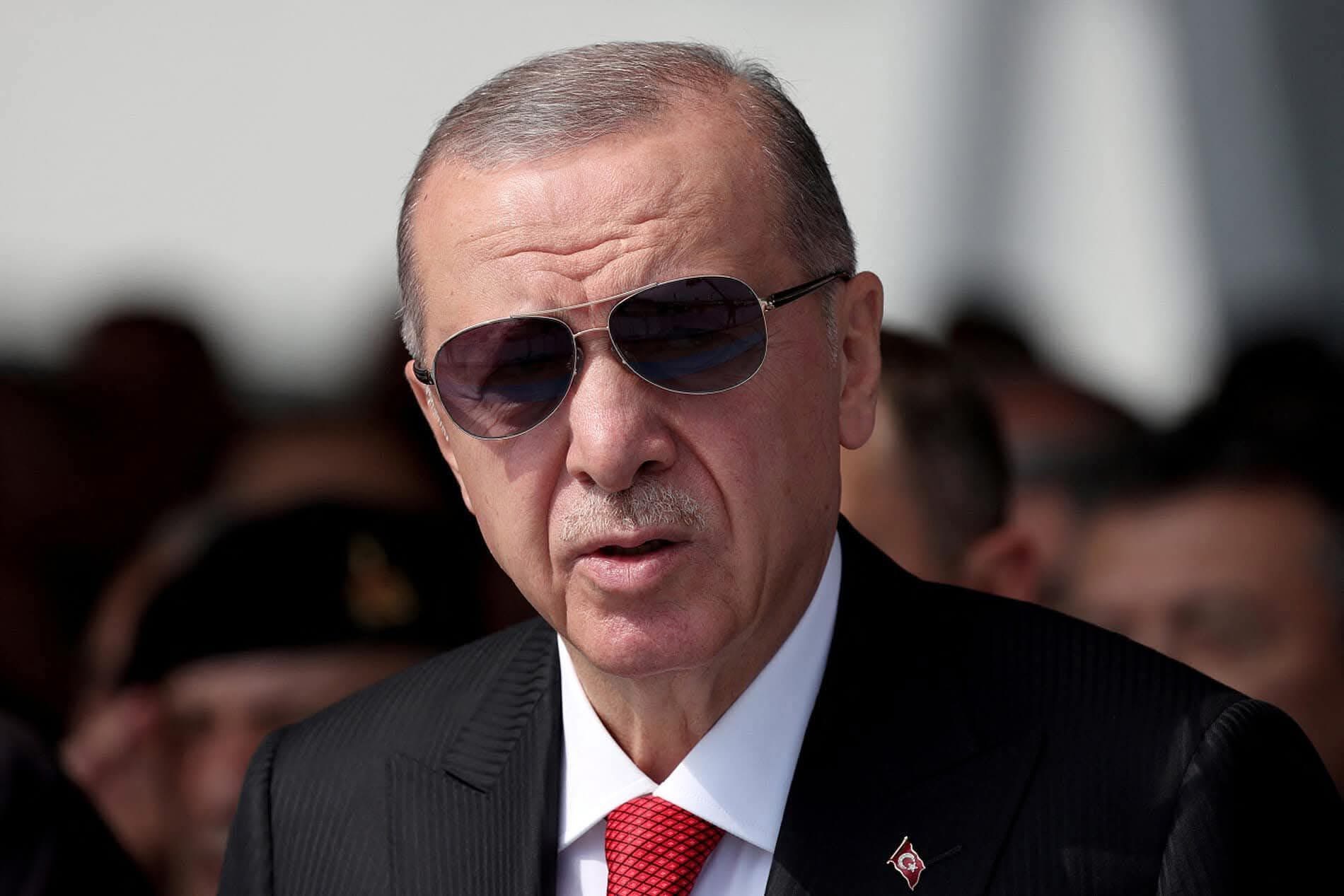
Today marks a historic day for Turkey, as the Kurdish militant group PKK (Kurdistan Workers’ Party) has officially announced its dissolution and laid down its arms after nearly five decades of armed conflict.
➤ 𝐁𝐀𝐂𝐊𝐆𝐑𝐎𝐔𝐍𝐃:
The PKK was established in 1978 and launched its armed struggle against the Turkish government in 1984. The group, which sought Kurdish independence or autonomy, was behind numerous deadly attacks, while Turkey engaged in continuous military, intelligence, and political operations to suppress it.
In 1999, with help from U.S. intelligence, Turkey captured the group’s founder and leader, Abdullah Öcalan, in Nairobi. Öcalan, considered an influential figure among Kurds, has been held in a highly secure prison ever since.
Despite multiple attempts at negotiations and ceasefires over the years, the PKK remained a persistent threat to Turkey’s security, economy, and international image. The conflict has reportedly cost Turkey around $2 trillion, or approximately $43 billion annually, including lives lost and economic damage.
➤ 𝐃𝐄𝐌𝐎𝐁𝐈𝐋𝐈𝐙𝐀𝐓𝐈𝐎𝐍 𝐁𝐄𝐆𝐈𝐍𝐒:
At the end of last year, the Turkish government launched a new national campaign titled “A Terror-Free Turkey”, which gained wide political support from both the ruling party and Kurdish political factions. Following intense efforts, in May 2025, the PKK announced that it would dissolve the organization and disarm.
On Wednesday, Öcalan appeared in a video from prison, declaring that the PKK no longer exists, and called on all fighters to lay down their arms on Friday, July 11.
Today, as promised, disarmament ceremonies have started in Northern Iraq, where PKK fighters were seen surrendering their weapons. The event was formally organized and marks a symbolic end to one of the longest internal conflicts in the region.
➤ 𝐍𝐄𝐗𝐓 𝐒𝐓𝐄𝐏𝐒:
Attention now turns to President Recep Tayyip Erdoğan, who is expected to deliver a national address on this historic occasion. Key questions remain:
• What will be the next steps of the Turkish government?
• Will there be a reintegration program for former PKK members?
• How will Turkey address Kurdish political and cultural inclusion moving forward?
➤ 𝐂𝐎𝐍𝐂𝐋𝐔𝐒𝐈𝐎𝐍:
Today, Turkey enters a new era, free from the shadow of a 47-year-long insurgency. While challenges remain, this marks the beginning of a hopeful chapter in Turkey’s journey toward unity, peace, and national reconciliation.
About The Author
